Presented By: Michigan Psychedelic Center
The History of Psychedelics and Neuroscience
Nick Denomme, PhD

This talk is part of the Michigan Psychedelic Center's 2026 Seminar Series: Psychedelics — From Cells to Society. Learn more about the series at https://michiganpsychedelic.med.umich.edu/education-events/.
About the Talk:
Psychedelic drugs now serve as instrumental tools in modern neuroscience for understanding the neural correlates and causes of consciousness. Often underappreciated is the vital role that psychedelics played in shaping the fundamental discoveries of monoamine neurotransmission during the mid-twentieth century. The profound psychoactive effects of mescaline and LSD sparked a paradigm shift in thinking that ultimately led to an evolution in our understanding of the biochemical basis of behavior and etiology of mental illness.
This talk will provide a historical exploration of the powerful influence that psychedelics had on prominent researchers whose work on monoamine neurotransmission revolutionized the way we think about the role of neurochemistry in behavior. In parallel, we will examine the often-interwoven influence that psychedelics had on psychiatric researchers, whose search for a psychedelic-like endogenous psychotogen in mental disorders like schizophrenia refocused the field from psychoanalytic explanations to explosive advances in psychopharmacology.
About the Speaker:
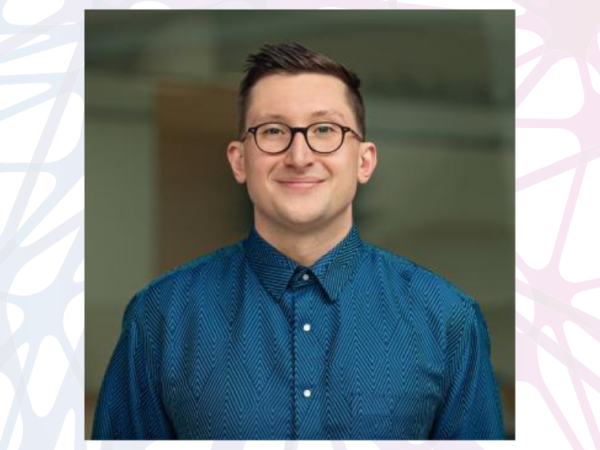
Nick Denomme, PhD, is a postdoctoral scholar studying the effects of psychedelics on cortical synaptic plasticity and dendritic integration with Drs. Robert Malenka and Boris Heifets at Stanford University. He received a PhD in pharmacology from the University of Michigan and has had a lifelong interest in psychoactive substances as powerful tools to understand how the brain generates the mind.
About the Talk:
Psychedelic drugs now serve as instrumental tools in modern neuroscience for understanding the neural correlates and causes of consciousness. Often underappreciated is the vital role that psychedelics played in shaping the fundamental discoveries of monoamine neurotransmission during the mid-twentieth century. The profound psychoactive effects of mescaline and LSD sparked a paradigm shift in thinking that ultimately led to an evolution in our understanding of the biochemical basis of behavior and etiology of mental illness.
This talk will provide a historical exploration of the powerful influence that psychedelics had on prominent researchers whose work on monoamine neurotransmission revolutionized the way we think about the role of neurochemistry in behavior. In parallel, we will examine the often-interwoven influence that psychedelics had on psychiatric researchers, whose search for a psychedelic-like endogenous psychotogen in mental disorders like schizophrenia refocused the field from psychoanalytic explanations to explosive advances in psychopharmacology.
About the Speaker:
Nick Denomme, PhD, is a postdoctoral scholar studying the effects of psychedelics on cortical synaptic plasticity and dendritic integration with Drs. Robert Malenka and Boris Heifets at Stanford University. He received a PhD in pharmacology from the University of Michigan and has had a lifelong interest in psychoactive substances as powerful tools to understand how the brain generates the mind.
Related Links

Explore Similar Events
-
Loading Similar Events...
