
Introduction: Prof. Fernando Arenas (Afro-American & African Studies/Romance Languages & Literatures, University of Michigan)
All Lusophone Film Festival screenings are FREE to the public.
Girimunho tells the story of Bastu, an 81-year-old lady who lives in a village in the interior of Minas Gerais (Brazil), who after the death of her husband tries to create a new life. This film explores a poetic and magical universe as it focuses on human relationships, pointing to the coexistence of tradition and modernity, reality and dream, life and death, dissolving the boundaries between these concepts (La Biennale di Venezia). The larger than life 80-year old women protagonists of Girimunho burst onto the screen with the intensity of the Afro-Brazilian culture that surrounds them.
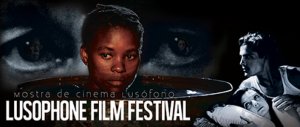
The Lusophone Film Festival showcases the contemporary cinema of the Portuguese-speaking world. It is the first of its kind in Ann Arbor and at the University of Michigan. The festival features recent critically acclaimed films from Brazil, Portugal, Mozambique, Guinea-Bissau, and Angola, that have limited or no presence in the commercial film circuit. With the exception of veterans Flora Gomes from Guinea-Bissau and LicÃnio Azevedo from Brazil/Mozambique, the filmmakers are emerging directors. All of them share a commitment towards the cinematic representation of social, cultural, and historical issues that are critical to their respective nations through a variety of innovative narrative forms and aesthetic approaches.
Co-sponsored by: Center for Latin American & Caribbean Studies Brazil Initiative; African Studies Center; Department of Afro-American and African Studies; Department of Romance Languages and Literatures; Sheldon Cohn Fund, Department of Screen Arts and Cultures; and Center for European Studies.
All Lusophone Film Festival screenings are FREE to the public.
Girimunho tells the story of Bastu, an 81-year-old lady who lives in a village in the interior of Minas Gerais (Brazil), who after the death of her husband tries to create a new life. This film explores a poetic and magical universe as it focuses on human relationships, pointing to the coexistence of tradition and modernity, reality and dream, life and death, dissolving the boundaries between these concepts (La Biennale di Venezia). The larger than life 80-year old women protagonists of Girimunho burst onto the screen with the intensity of the Afro-Brazilian culture that surrounds them.
The Lusophone Film Festival showcases the contemporary cinema of the Portuguese-speaking world. It is the first of its kind in Ann Arbor and at the University of Michigan. The festival features recent critically acclaimed films from Brazil, Portugal, Mozambique, Guinea-Bissau, and Angola, that have limited or no presence in the commercial film circuit. With the exception of veterans Flora Gomes from Guinea-Bissau and LicÃnio Azevedo from Brazil/Mozambique, the filmmakers are emerging directors. All of them share a commitment towards the cinematic representation of social, cultural, and historical issues that are critical to their respective nations through a variety of innovative narrative forms and aesthetic approaches.
Co-sponsored by: Center for Latin American & Caribbean Studies Brazil Initiative; African Studies Center; Department of Afro-American and African Studies; Department of Romance Languages and Literatures; Sheldon Cohn Fund, Department of Screen Arts and Cultures; and Center for European Studies.
Related Links

Explore Similar Events
-
Loading Similar Events...
