Presented By: University of Michigan Museum of Art (UMMA)
Porcelains and Power: The Politics of Chinese Art in the Age of American Ascendancy
2026 Doris Sloan Memorial Program
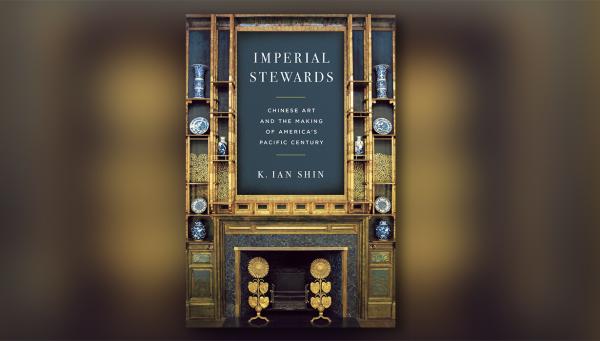

How can we understand the relationship between art collecting and Western imperialism as more than simply a story of victim and aggressor, of the plundered and the plunderer? From the Gilded Age to World War II, elite collectors and museums in the United States transformed from owning a smattering of Chinese porcelains to possessing some of the world's largest and most sophisticated collections of Chinese art.
In this talk, historian Ian Shin shows that, beyond aesthetic taste and economics, geopolitics were vital to this transformation. Collecting and studying Chinese art honed Americans’ belief that they should dominate Asia and the Pacific Ocean through the ideology of “imperial stewardship.” U.S. imperial stewardship encompassed both genuine curiosity and care for Chinese art, and the enduring structures of domination that underpinned the growing transpacific art market in the early twentieth century.
Far more than a history of cultural “exchange” between the United States and China, this is also a history of rivalries and feuds with European curators and enterprising Chinese merchants. Ultimately, this talk challenges us to come to terms with how our interest in and desire for beautiful art are inextricable from questions of power.
In this talk, historian Ian Shin shows that, beyond aesthetic taste and economics, geopolitics were vital to this transformation. Collecting and studying Chinese art honed Americans’ belief that they should dominate Asia and the Pacific Ocean through the ideology of “imperial stewardship.” U.S. imperial stewardship encompassed both genuine curiosity and care for Chinese art, and the enduring structures of domination that underpinned the growing transpacific art market in the early twentieth century.
Far more than a history of cultural “exchange” between the United States and China, this is also a history of rivalries and feuds with European curators and enterprising Chinese merchants. Ultimately, this talk challenges us to come to terms with how our interest in and desire for beautiful art are inextricable from questions of power.
Cost
- 0
Related Links
Co-Sponsored By

Explore Similar Events
-
Loading Similar Events...
