Presented By: Museum of Anthropological Archaeology
Reflections from the Past, Thoughts about the Future of Archaeology - Jeffrey R. Parsons Lecture Series
Dr. David G. Anderson - Professor Emeritus, University of Tennessee, Knoxville, Williston, SC
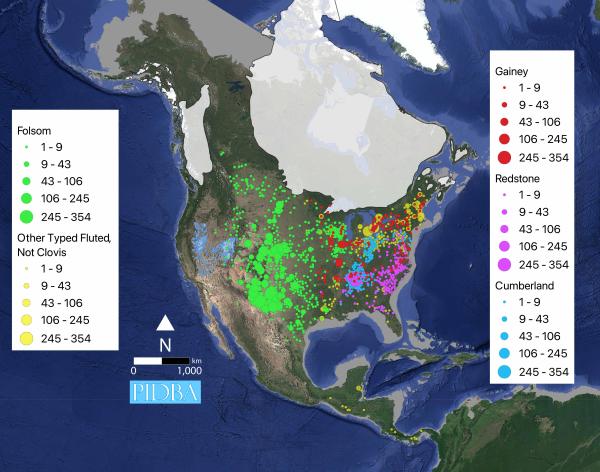

Recovering information about the past, learning from it, and preserving these data and lessons for future generations is central to the archaeological enterprise. The past half century has seen a tremendous growth in archaeological research, including the collection of vast and diverse data, and dramatic shifts in the methods used to collect it and in the conceptual frameworks by which it is interpreted. Archaeology is needed more than ever, as the extant record is increasingly being lost to forces like development, climate change, erosion, and looting. This mandates careful consideration of how we are to proceed to save what we can, combining collaborative and ethical frameworks in preservation and research. Our goals should always be ensuring broad and equitable inclusion in our endeavors, and open access and iterative use of what has been found for research, resource management, and public education. Examples of how such work has and can proceed are examined, from a perspective shaped primarily from work in the southeastern United States, where the author has spent much of his career. In addition to site and locality specific research, the nature and status of larger scale data compilation efforts are examined, such as PIDBA (Paleoindian Database of the Americas) and DINAA (Digital Index of North American Archaeology). Primary lessons are that archaeology is a collaborative endeavor, requiring the work of many parties, and the maintenance of these communities, and the information they generate, in perpetuity, is essential.

Explore Similar Events
-
Loading Similar Events...
