Presented By: Department of Molecular, Cellular, and Developmental Biology
MCDB Seminar Series> RNA metabolism dysfunction in neurodegenerative diseases ALS and FTD
Shuying Sun, Johns Hopkins University
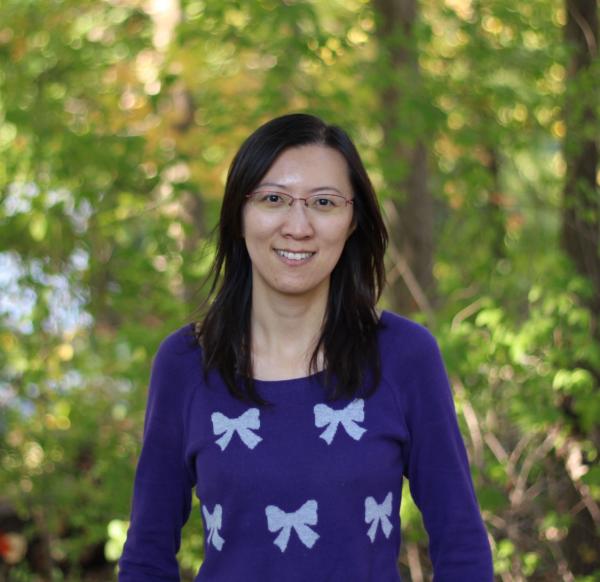

The Sun lab is dedicated to exploring the dysfunction of RNA processing pathways to uncover the mechanisms of toxicity and the molecular basis of cell type-selective vulnerability in neurodegenerative diseases, particularly amyotrophic lateral sclerosis (ALS) and frontotemporal dementia (FTD). Another major focus of the group is identifying disease modifiers using advanced functional genomic screening platforms. We aim to translate the mechanistic findings at molecular level into therapeutic target development to advance treatment strategies for neurodegenerative diseases.
Bio: Dr. Shuying Sun is an Associate Professor in the Department of Physiology and Brain Science Institute at Johns Hopkins University School of Medicine. Her research focuses on deciphering disease mechanisms and developing RNA-targeting therapeutic strategies for neurodegenerative diseases amyotrophic lateral sclerosis (ALS) and frontotemporal degeneration (FTD).
Dr. Sun received her PhD training on the basic mechanisms of RNA processing, especially the regulation of alternative splicing. She then expanded her research repertoire to disease mechanism, therapy development, and mouse genetics during the postdoctoral training. Dr. Sun’s lab is interested in applying RNA Biology knowledge and technologies to decipher molecular mechanism of pathogenesis, identify novel biomarkers and promising drug targets for therapy development by combining innovative techniques and interdisciplinary approaches.
Related Links

Explore Similar Events
-
Loading Similar Events...
