Presented By: Eisenberg Institute for Historical Studies
EIHS Workshop: Political Mobilization, Authority and Collaboration
Markus Merin, Sylvan Perlmutter, Maya Sudarkasa, Carina Ray (moderator)
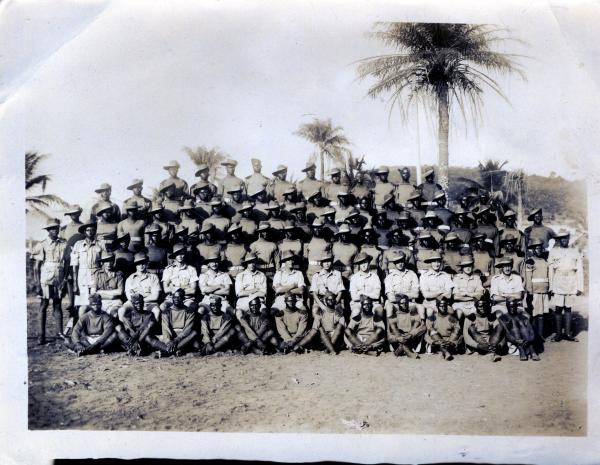

We live in a moment of intense global political mobilization. Popular movements—both state and non-state—are reshaping political life by preserving, contesting, and reworking state power. As the boundaries between citizen and subject, resistance and authority, become increasingly blurred, long-standing frameworks for understanding collaboration and power demand reconsideration.
This workshop centers the figure of the intermediary—particularly colonial intermediaries who operated as both agents and instruments of imperial rule. We invite scholars to explore how these actors complicate binary narratives of resistance and collaboration, coercion and consent. How do we account for the moral ambiguity, partial complicity, and aspirational authority of those who worked in the shadow of power as translators, clerks, soldiers, chiefs, informants, and community figures within popular movements and state-making projects?
Join us for a conversation that revisits power, agency, and political belonging across historical and geographic contexts.
This event presented by the Eisenberg Institute for Historical Studies. It is made possible in part by a generous contribution from Kenneth and Frances Aftel Eisenberg.
This workshop centers the figure of the intermediary—particularly colonial intermediaries who operated as both agents and instruments of imperial rule. We invite scholars to explore how these actors complicate binary narratives of resistance and collaboration, coercion and consent. How do we account for the moral ambiguity, partial complicity, and aspirational authority of those who worked in the shadow of power as translators, clerks, soldiers, chiefs, informants, and community figures within popular movements and state-making projects?
Join us for a conversation that revisits power, agency, and political belonging across historical and geographic contexts.
This event presented by the Eisenberg Institute for Historical Studies. It is made possible in part by a generous contribution from Kenneth and Frances Aftel Eisenberg.
Co-Sponsored By

Explore Similar Events
-
Loading Similar Events...
