Presented By: Department of Economics
Development as Skills and Altruism
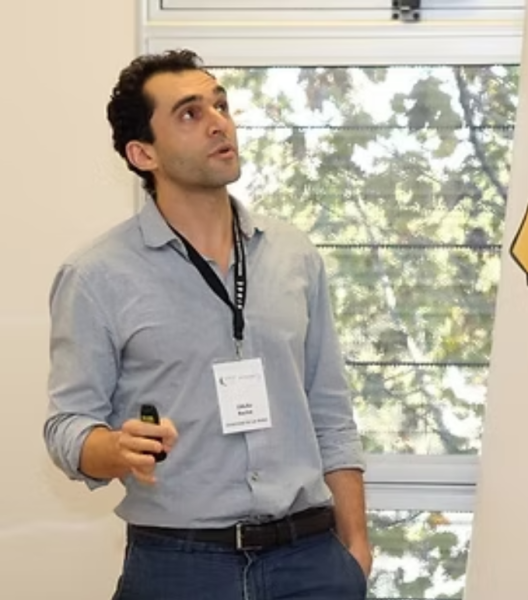
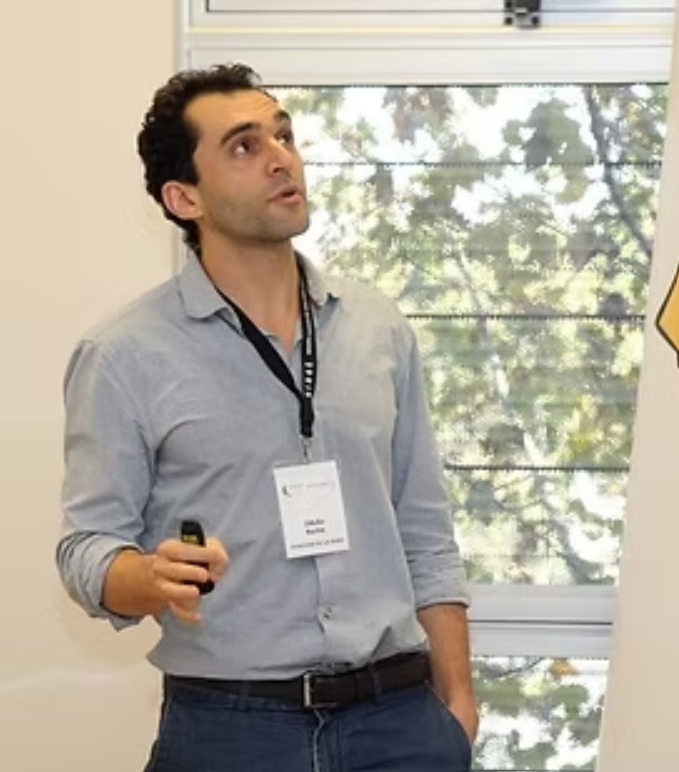
Rachid Laajaj, Universidad de Los Andes Calle
This paper emphasizes the central role of skill and altruism in development, defined as an increase in social welfare. In the basic model, skills expand the set of feasible payoffs, while altruism guides the decision maker’s choice. Greater skills need not increase social welfare, because such expansions combine a positive frontier effect with an ambiguous substitution effect, potentially toward actions that are privately attractive but socially harmful. This ambiguous effect of skills on development is referred to as the “lottery of the technology” and disappears when altruism is high enough to ensure that new opportunities created by skills are used only when they raise social welfare. Extensions of the model show that 1) endogenous technological change makes altruism even more influential in the long run 2) the effect of stronger institutions is subject to a “lottery of alignment of interests” between policymakers’ private gains and social welfare, unless policymakers’ altruism is high enough to ensure the good use of institutional power, making institutions a lever of altruism rather than a substitute and 3) allowing altruism to be group-specific shows that only universal altruism guarantees the effective use of skill improvements. This framework speaks to many contemporary and historical events and leads to the conclusion that ensuring long-term development requires both the selection of altruistic leaders and a population shift in the distribution of altruism.
Related Links
Co-Sponsored By

Explore Similar Events
-
Loading Similar Events...
