Presented By: Museum of Anthropological Archaeology
When Ancestorship Isn’t About Descent: The Inka corporate groups as a house society
Isabel Yaya McKenzie, Associate professor of Historical Anthropology at the École des Hautes Études en Sciences Sociales (Paris)
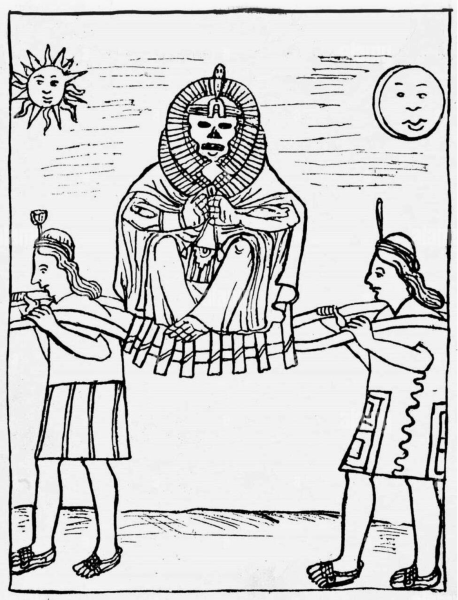
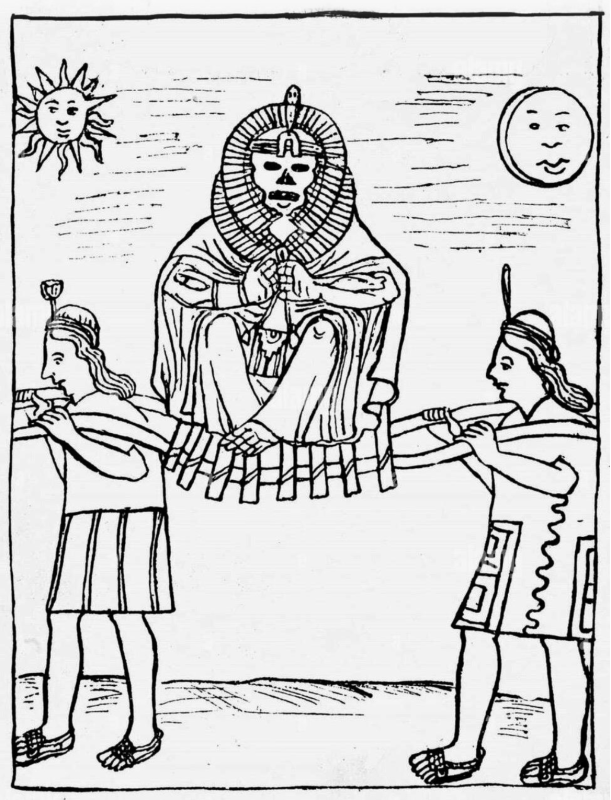
In 1533, the first Spanish contingent to enter the Inka city of Cuzco was both repelled and astonished by the reverence that the ruling elite showed toward their deceased rulers. As young soldier Pedro Pizarro later remarked: “The greater part of the people, treasure, expenses, and vices were under the control of the dead” whose human remains were allegedly preserved for ritual purposes. Housed within their own residences, these relics would have been constantly attended by members of their respective corporate groups (ayllus), paraded daily in Cuzco’s ceremonial plaza, lavishly fed, and even consulted on matters of governance. However, a reexamination of early colonial documents complicates this long-standing understanding of Inka mortuary practices. These sources suggest a limited concern for the preservation of corpses and challenge the assumption that the ruling elite was composed of lineages. This paper proposes to integrate these materials into a new analysis of ancestor veneration in the pre-Hispanic Andes. It argues that membership in Inka socio-political units was defined primarily by co-residence and the fulfillment of ritual duties. These “houses” constituted entities anchored in space and materiality rather than in the genealogy of individuals. Such a perspective opens up stimulating avenues of discussion between anthropology and archaeology.

Explore Similar Events
-
Loading Similar Events...
