Presented By: Interdisciplinary Committee on Organizational Studies - ICOS
When Crime Pays the Victim: How Victim Policy Shaped the Carceral State
Jeremy Levine, University of Michigan
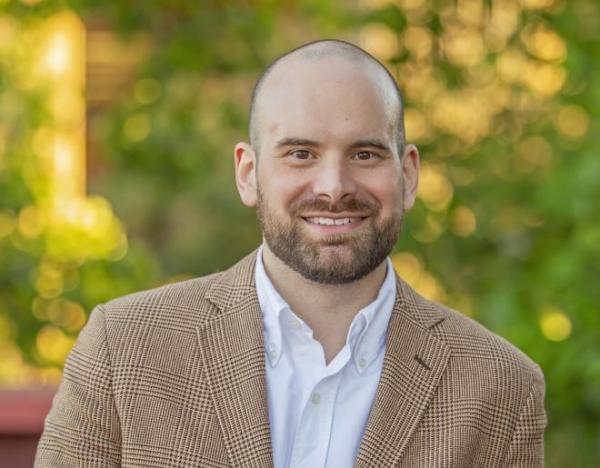

From prisons to policing to the courts, scholars have documented the far-reaching scope of inequality in the criminal legal system. Yet we have largely missed a critical piece of the story: the social welfare policies ostensibly intended to benefit crime victims. Existing accounts treat victims’ relationship to punishment as rhetorical, a story of ideology or movement mobilization. My book-in-progress, a case study of the history and implementation of victim compensation law, shows how resources for victims are structurally tied to punishment, as well. Liberal Democrats in the 1960s proposed victim compensation to offset their weaknesses in crime politics, but conservatives objected to a new social program funded by “taxpayer” money. The solution, discovered largely by accident in California, was to finance compensation through mandatory criminal fines—making resources for victims dependent on more criminal convictions. After determining who would pay for victim benefits, lawmakers decided whose victimization would pay. Compensation was limited to victims who reported crimes, cooperated with police, and were not “criminals” themselves—criteria that also penalize survivors of domestic violence. Today, victims of color, especially Black men, are most likely to be denied compensation because the police perceive them as uncooperative or to blame for their victimization. The result is racially regressive redistribution: people of color disproportionately fund victim benefits through criminal fines and are more likely to be denied the benefit because they are perceived as “criminals.” I make the case for placing victim policy alongside prisons and police, with implications for how we understand inequality, the state, and the political economy of punishment.
Related Links
Co-Sponsored By

Explore Similar Events
-
Loading Similar Events...
