Presented By: Department of Afroamerican and African Studies
DAAS Africa Workshop with Dr. Leo Zulu (MSU)
The Geography of Energy Transitions: What Africa Teaches Us About Climate Futures
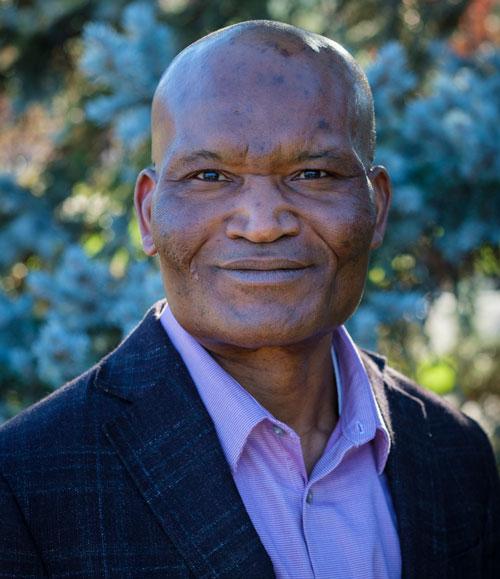

Dr. Leo C. Zulu is Professor of Geography, Environment, and Spatial Sciences and Director of
the African Studies Center at Michigan State University. A human-environment geographer, his
research focuses on energy transitions, environmental governance, climate adaptation, and
sustainable development in Africa. Drawing on more than 30 years of international research and
policy engagement, he examines how communities navigate environmental change and how
evidence-based policies can advance equitable and sustainable futures
Abstract
As the world races toward decarbonization, Africa is often portrayed as a region still waiting to
complete its energy transition. This lecture challenges that narrative. Drawing on research
across energy, environment, and development in Southern Africa, I argue that Africa is not
merely a site of future energy transitions but a critical laboratory for understanding them. From
charcoal economies and household energy choices to forest restoration and emerging carbon
markets, African experiences reveal that transitions are shaped as much by governance,
inequality, and historical legacies as by technology. The central argument is that climate policies
grounded in narrow assumptions about modernization risk overlooking the realities that drive
energy behavior and environmental outcomes. By examining how communities navigate energy
scarcity, environmental change, and climate interventions, the lecture highlights the need for
just, context-sensitive transitions that advance both human well-being and planetary
sustainability. Africa's experience offers lessons not only for the continent, but for the global
pursuit of equitable climate futures.
Co-Sponsored By

Explore Similar Events
-
Loading Similar Events...
